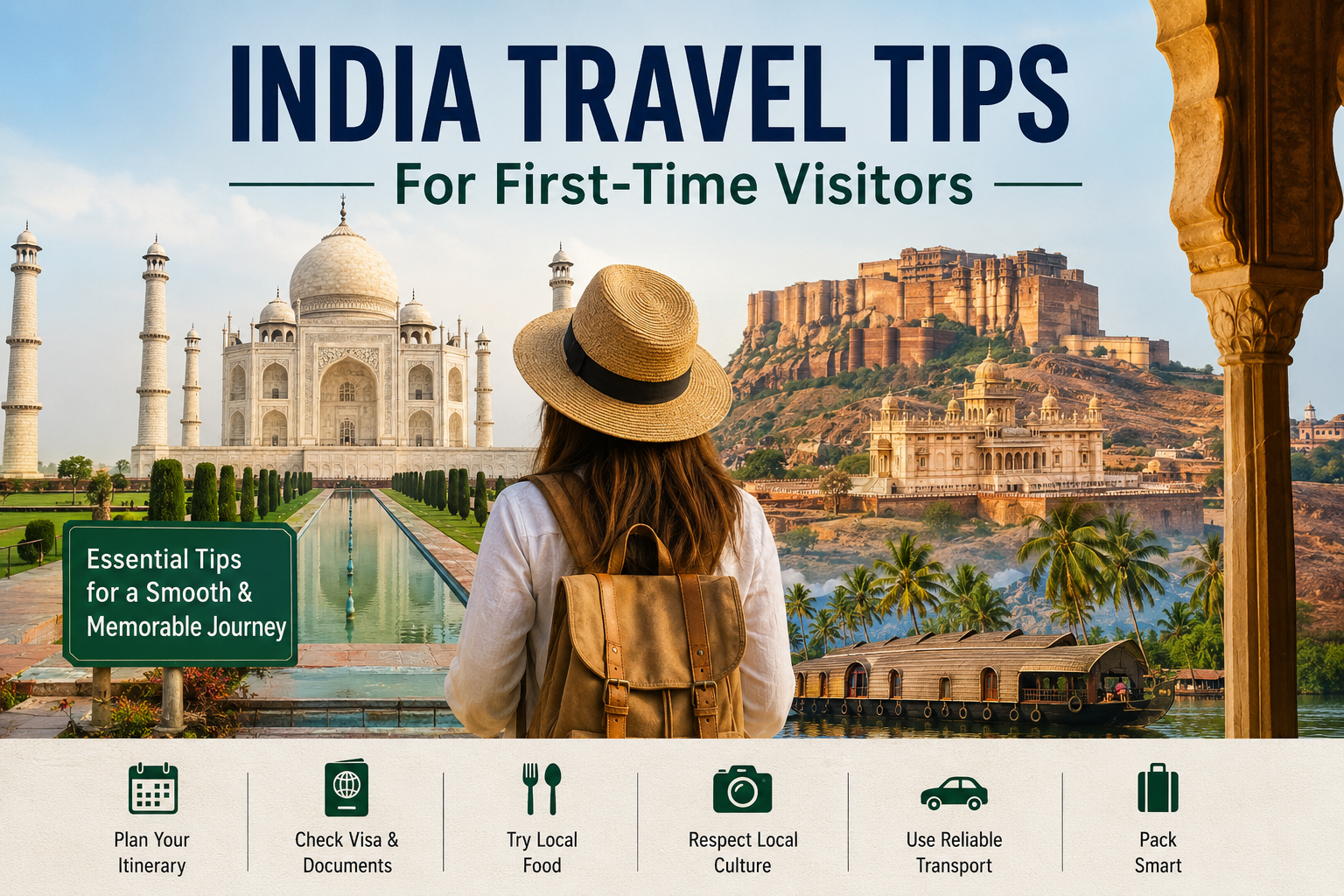
India Travel Tips for First Time Visitors
India Travel Tips for First-Time Visitors Planning your first trip to India? Get ready for an unforgettable journey filled with...
Read More →

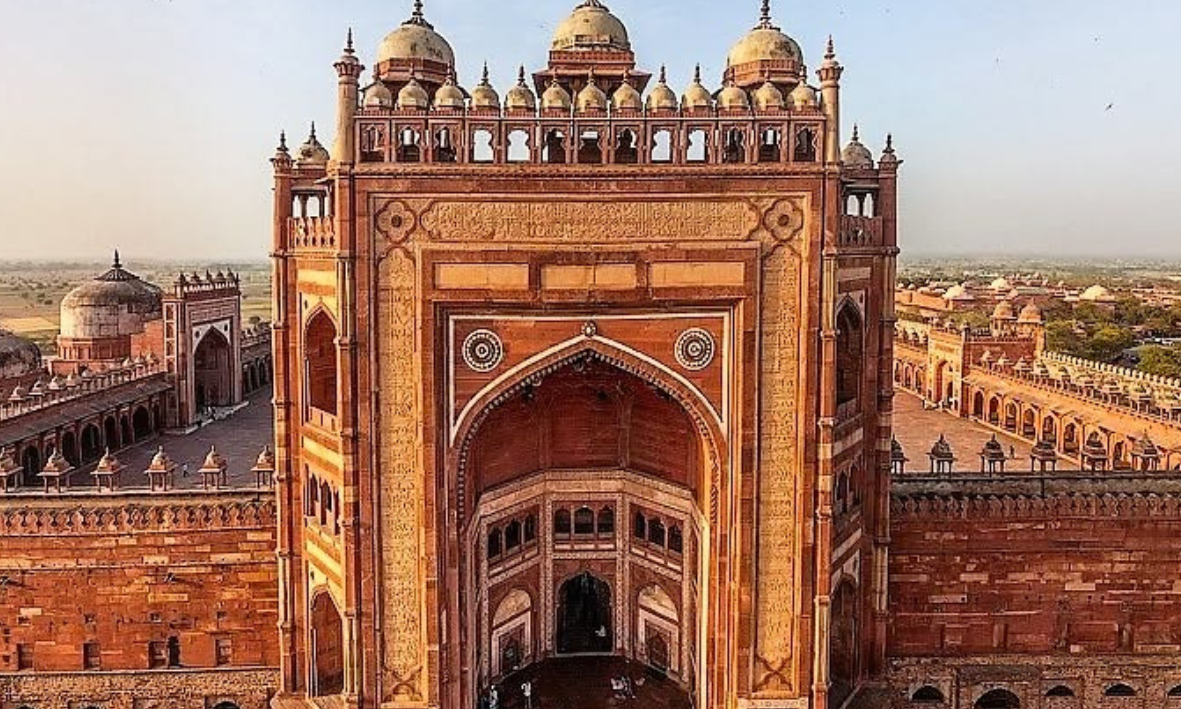
Planning your first trip to India? The Golden Triangle India tour is the perfect place to start. Covering three of North India’s most iconic cities — Delhi, Agra, and Jaipur — this well-traveled circuit offers an ideal introduction to India’s history, architecture, culture, and cuisine in a single, well-connected journey.
The Delhi Agra Jaipur tour has earned its reputation as India’s most popular travel route for good reason. Within just six days, first-time international visitors can explore UNESCO World Heritage Sites, Mughal monuments, Rajput palaces, and vibrant local markets — all without traveling across the entire country.
This complete travel guide covers everything you need to plan your India triangle tour — from the best places to visit in each city to ideal travel seasons, suggested itineraries, food, shopping, and practical travel tips.
The Golden Triangle India tour connects three major cities in North India:
These three cities form a rough triangle on the map, each approximately 200–250 km apart, making travel between them straightforward by road or rail. The route was designed to give travelers maximum cultural exposure with minimum logistical complexity — which is precisely why it remains the most recommended itinerary for first-time visitors to India.
Each city represents a distinct era of Indian history. Delhi layers ancient, Mughal, and colonial heritage into one sprawling metropolis. Agra stands as the crowning achievement of the Mughal Empire. Jaipur introduces the royal traditions and colorful culture of Rajasthan. Together, they offer a comprehensive and deeply rewarding portrait of northern India.
For international travelers visiting India for the first time, the Delhi Agra Jaipur tour offers several key advantages:
The India triangle tour is equally suited to solo travelers, couples, families, and group tours — and can be customized in length and pace to suit any travel style.
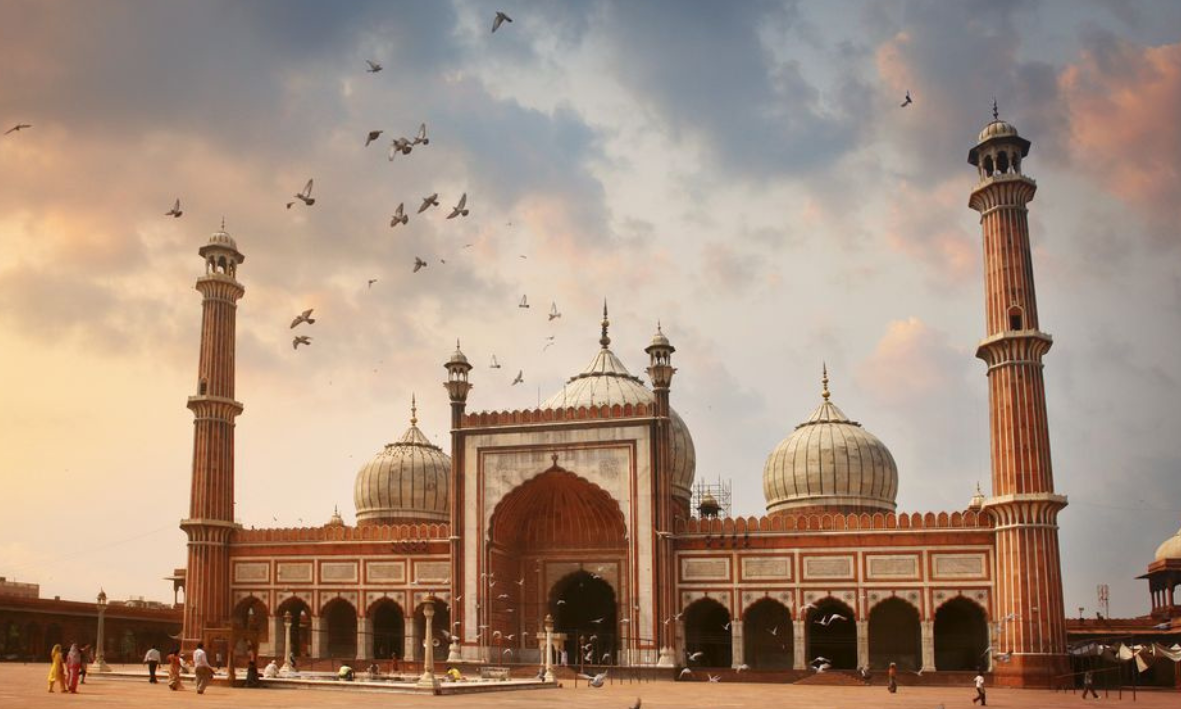
The Golden Triangle India tour typically begins in Delhi, India’s capital and one of the world’s oldest continuously inhabited cities. Delhi is a place of extraordinary contrasts — ancient mosques and Mughal tombs standing beside colonial-era buildings and modern business districts.
For first-time visitors, Delhi can feel overwhelming at first. Give yourself time to adjust, and the city will reward your patience with some of India’s most remarkable sights.
Red Fort Built by Mughal Emperor Shah Jahan in 1638, the Red Fort is one of Delhi’s most iconic landmarks. The vast red sandstone complex housed the Mughal court for nearly 200 years and remains a powerful symbol of India’s imperial past. The evening sound-and-light show is a good introduction for first-time visitors.
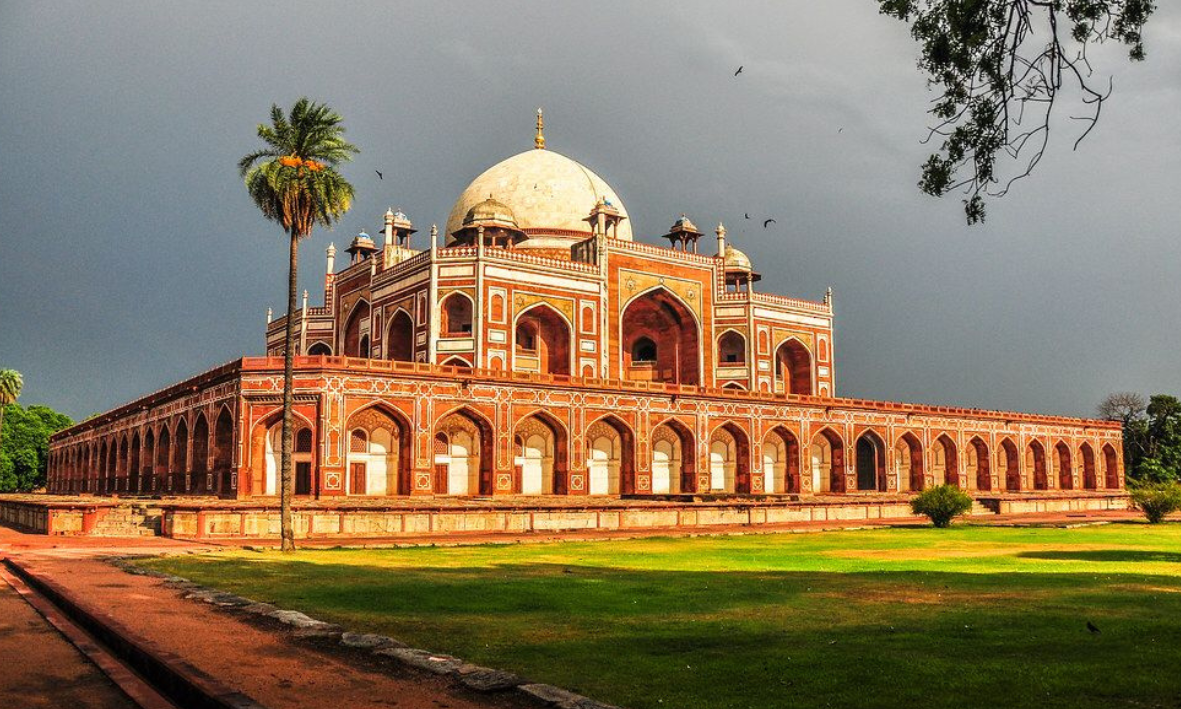
Humayun’s Tomb A UNESCO World Heritage Site and one of Delhi’s most undervisited gems, Humayun’s Tomb is the Mughal garden complex that directly inspired the design of the Taj Mahal. It is quieter, equally beautiful, and offers important architectural context for what you’ll see in Agra.
Qutub Minar This 12th-century minaret — at 73 metres, the tallest brick minaret in the world — is a UNESCO World Heritage Site and a masterpiece of early Indo-Islamic architecture. The surrounding complex contains ruins spanning several centuries of Delhi’s history.
India Gate A solemn war memorial set within wide, tree-lined avenues, India Gate is best visited in the late afternoon when the light is warm and the surrounding gardens fill with local families. It offers a gentle introduction to New Delhi’s colonial-era urban planning.
Chandni Chowk No visit to Delhi is complete without time in Chandni Chowk, one of Asia’s oldest and busiest markets. Street food, spice vendors, textile shops, and jewelry stalls crowd into narrow lanes that have changed little in centuries. Come hungry — the food alone justifies the visit.
The second stop on the Delhi Agra Jaipur tour, Agra is one of the most visited cities in the world — and almost entirely because of one building. But the city rewards those who look beyond the Taj Mahal, with a concentration of Mughal heritage that is unmatched anywhere in India.
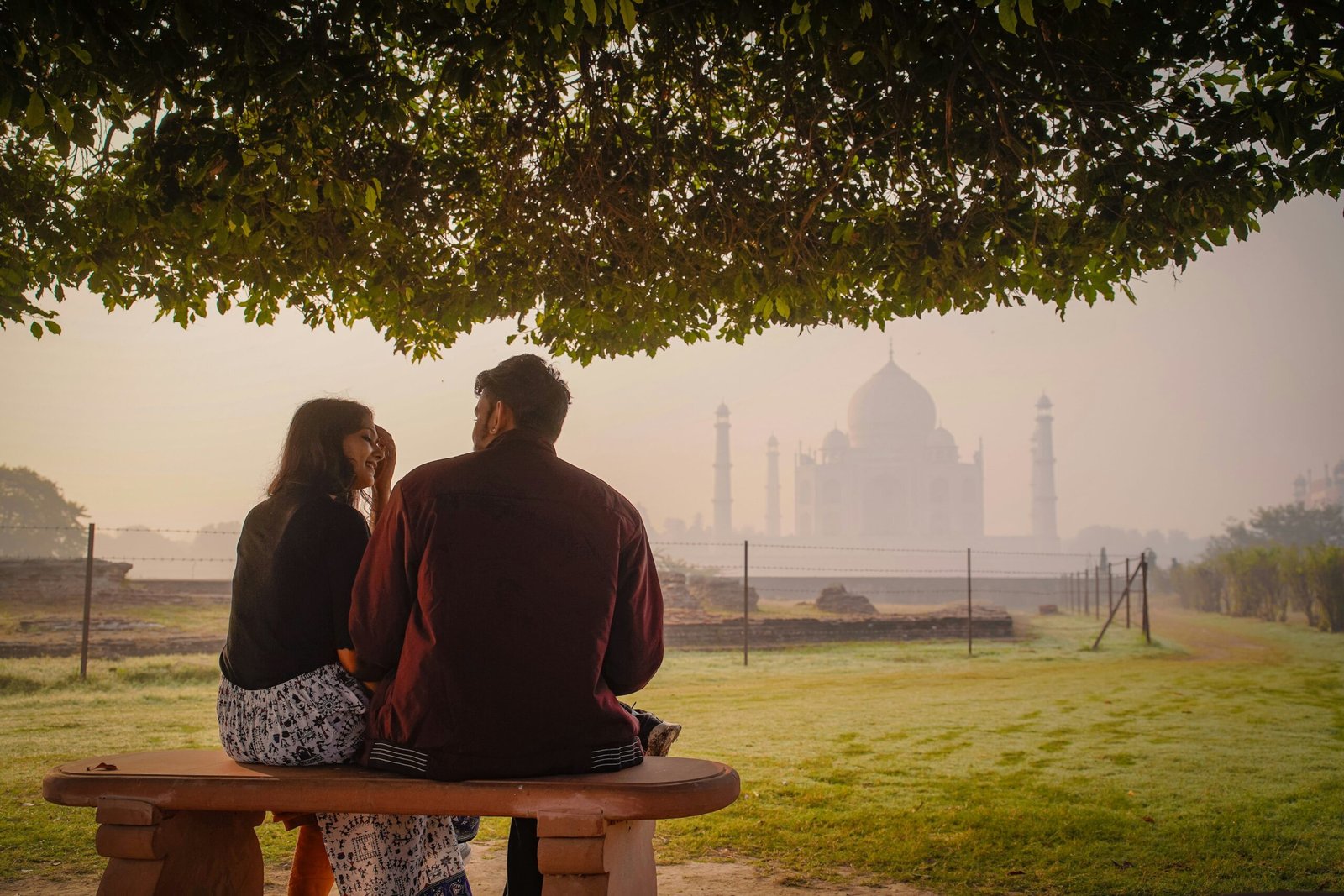
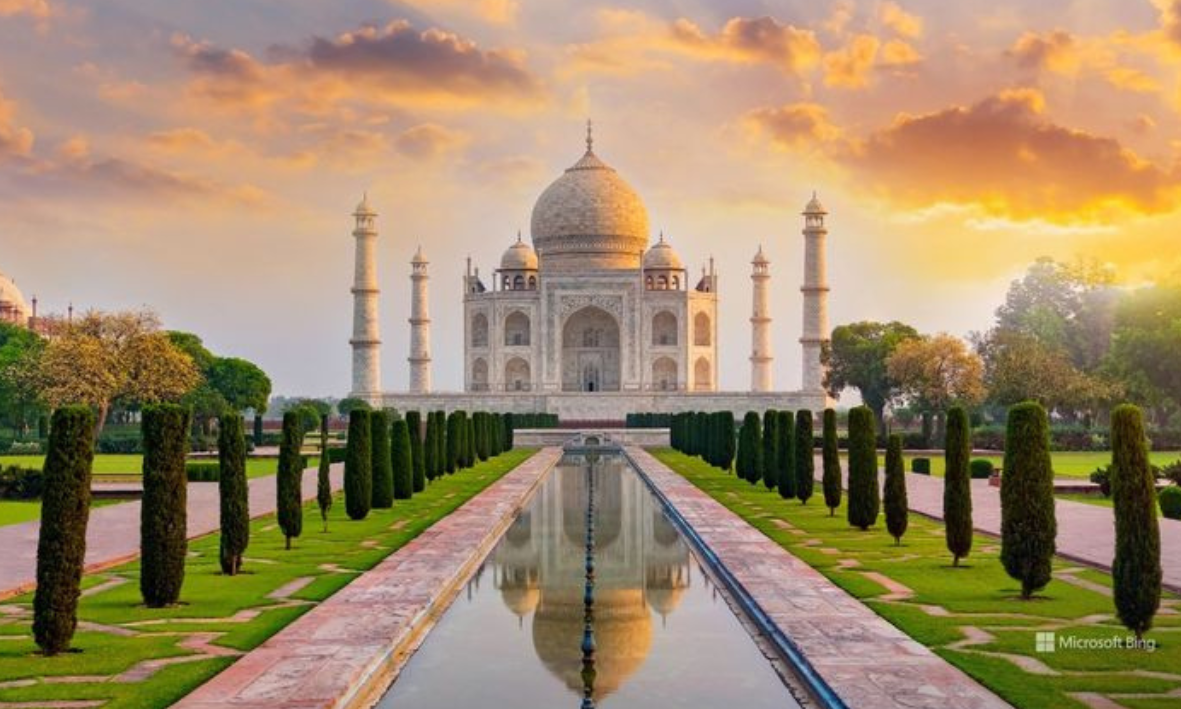
Taj Mahal The centerpiece of every Golden Triangle India tour, the Taj Mahal is one of the Seven Wonders of the World and a UNESCO World Heritage Site. Built by Emperor Shah Jahan between 1632 and 1653 in memory of his wife Mumtaz Mahal, the white marble mausoleum is widely considered the finest example of Mughal architecture ever constructed.
No photograph fully captures the Taj Mahal. The scale, the symmetry, and the quality of light on the marble change by the hour. A sunrise visit is strongly recommended — the early morning light is exceptional, and the monument is noticeably less crowded than at midday.
Agra Fort A UNESCO World Heritage Site located just 2.5 km from the Taj Mahal, Agra Fort served as the main residence of the Mughal emperors until 1638. The red sandstone complex contains audience halls, royal apartments, mosques, and gardens spanning several reigns of Mughal rule. From its towers, there are clear views of the Taj Mahal across the river.
Mehtab Bagh Located across the Yamuna River directly opposite the Taj Mahal, Mehtab Bagh is a Mughal garden that offers one of the best views of the monument — particularly at sunset. It is far less crowded than the Taj Mahal complex itself and provides a peaceful counterpoint to the busier main site.
Fatehpur Sikri Located 40 km west of Agra on the road to Jaipur, Fatehpur Sikri is a largely intact 16th-century Mughal city abandoned shortly after its construction. The red sandstone complex includes a magnificent mosque, royal courtyards, and ceremonial halls — and is a natural stop on the drive from Agra to Jaipur.
The final destination of the India triangle tour, Jaipur is the capital of Rajasthan and one of India’s most visually striking cities. Founded in 1727 by Maharaja Jai Singh II, Jaipur was painted pink in 1876 to welcome the Prince of Wales — and the color, symbolic of hospitality in Rajasthan, has defined the city’s identity ever since.
Jaipur offers a very different atmosphere from Delhi and Agra. Where the earlier cities are defined by Mughal heritage, Jaipur represents Rajput culture — bold, colorful, and deeply rooted in royal tradition.
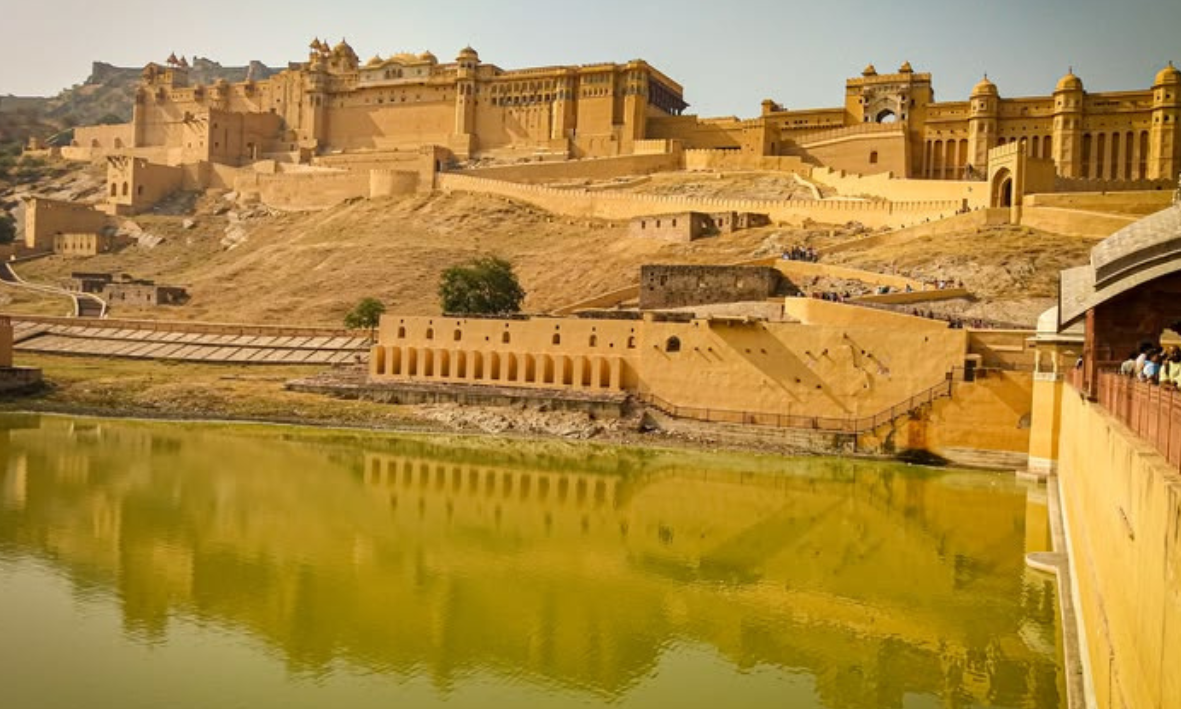
Amber Fort Perched on a hillside 11 km north of the city, Amber Fort is the most visited attraction in Jaipur and one of the finest examples of Rajput architecture in India. The fort’s interior — featuring ornate mirror-work halls, painted courtyards, and carved marble pavilions — is as impressive as its dramatic hilltop setting.
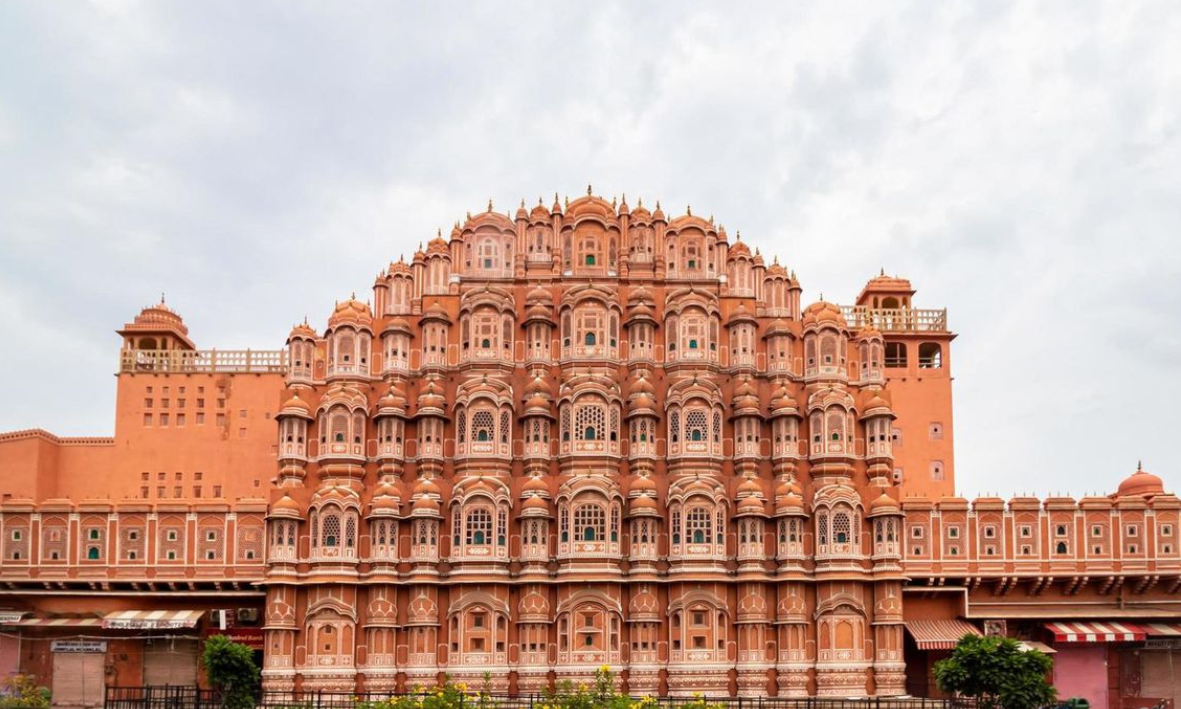
Hawa Mahal The Palace of Winds is Jaipur’s most photographed building. Built in 1799, its distinctive five-storey façade of 953 latticed windows was designed to allow royal women to observe street life below while remaining unseen. The view from the upper floors across the old city is excellent, particularly in the morning.
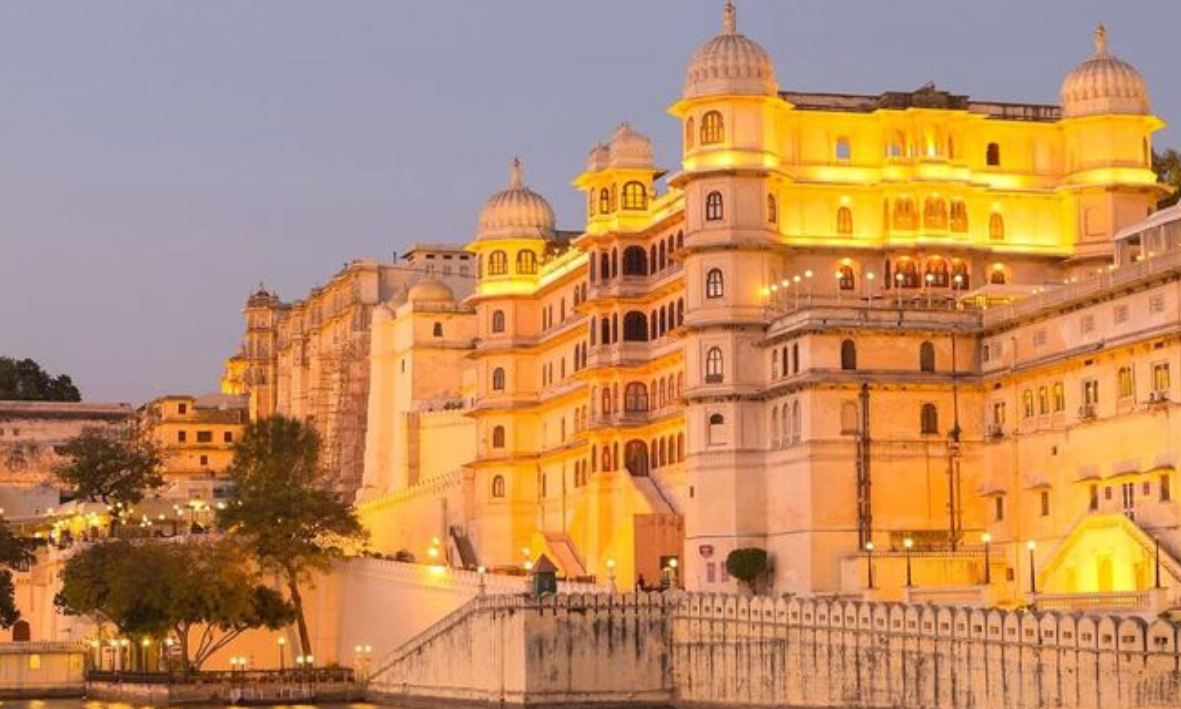
City Palace Located at the heart of Jaipur’s old city, the City Palace complex remains the official residence of the Jaipur royal family. Half of the complex is open to the public as a museum, with collections of royal costumes, weaponry, and artifacts. The enormous silver vessels in the Diwan-i-Khas — reportedly among the largest silver objects in the world — are a highlight.
Jantar Mantar Adjacent to the City Palace, Jantar Mantar is an 18th-century astronomical observatory and UNESCO World Heritage Site. Its collection of large-scale geometric instruments — built to measure time, predict eclipses, and track celestial bodies — remain accurate to this day and are a fascinating testament to pre-modern scientific achievement.
Jaipur’s Markets Jaipur is one of India’s premier shopping destinations. Johari Bazaar is the center of the city’s renowned gemstone and jewelry trade. Bapu Bazaar offers leather embroidered footwear, Rajasthani quilts, and printed textiles. The lanes around Tripolia Bazaar are the best place to find traditional blue pottery and hand-block printed fabrics.
The Delhi Agra Jaipur tour is most commonly completed in 6 days, though an 8-day version allows for a more relaxed pace.
Day | Route | Key Experiences |
Day 1 | Arrive Delhi | India Gate, Humayun’s Tomb, Chandni Chowk |
Day 2 | Delhi | Red Fort, Qutub Minar, local food tour |
Day 3 | Delhi → Agra | Taj Mahal (sunset), Agra Fort |
Day 4 | Agra → Jaipur | Mehtab Bagh (sunrise), Fatehpur Sikri en route |
Day 5 | Jaipur | Amber Fort, Hawa Mahal, City Palace, Jantar Mantar |
Day 6 | Jaipur → Delhi | Markets, departure |
For an 8-day extension, add an extra day in both Delhi and Jaipur, or include a day trip to Ranthambore National Park from Jaipur.
The Golden Triangle India tour can be undertaken year-round, but the experience varies significantly by season.
October to March — Best Season This is the peak and most recommended season for the Delhi Agra Jaipur tour. Daytime temperatures range from 15°C to 25°C, evenings are cool, and the skies are generally clear. Ideal conditions for sightseeing, photography, and outdoor exploration.
April to June — Summer Temperatures rise considerably across all three cities, with Jaipur and Agra regularly exceeding 40°C. Traveling with reliable air-conditioned transport is essential. Early morning sightseeing is advisable to avoid the worst of the midday heat.
July to September — Monsoon The monsoon brings cooler temperatures and dramatically greener landscapes across Rajasthan. Crowds thin considerably and prices drop. An excellent option for budget-conscious travelers and those willing to work around occasional rainfall.
One of the most rewarding aspects of the India triangle tour is the regional variety of food across all three cities.
Delhi – Delhi is a street food capital. Must-try dishes include butter chicken (said to have been invented here), chole bhature, stuffed parathas from Paranthe Wali Gali in Chandni Chowk, and chaat in almost any form.
Agra – Agra’s cuisine reflects its Mughal heritage. Petha (a translucent sugar sweet) is the city’s most famous edible souvenir. For meals, look for slow-cooked nihari, biryani, and rich Mughlai curries.
Jaipur – Rajasthani cuisine is bold and deeply satisfying. Dal Baati Churma — baked wheat dumplings served with lentil curry and crumbled sweet bread — is the signature dish of the region. Traditional thali restaurants offer the best introduction to the full range of Rajasthani flavors.
Each city on the Delhi Agra Jaipur tour has its own distinct shopping character.
Allow flexibility in your schedule — India rewards those who are open to unexpected encounters
The Golden Triangle India tour remains the most rewarding introduction to India available to international travelers. In a single, well-structured journey, the Delhi Agra Jaipur tour delivers ancient monuments, Mughal grandeur, Rajput royalty, extraordinary food, and the full sensory richness that makes India unlike anywhere else on earth.
Whether you stand before the Taj Mahal at sunrise, lose yourself in the lanes of Chandni Chowk, or watch the evening light turn Amber Fort gold, the India triangle tour offers experiences that genuinely stay with you.
For first-time visitors to India, there is no better place to begin.